
Video Project Planning Guide: How We Create Cinematic Stories That Connect
- Oct 18, 2025
- 5 min read
In today’s fast-paced digital landscape, videos are the most powerful storytelling tool. They capture attention, build emotion, and drive results. At Semper Fi Media, we believe every great video begins with one thing—a solid video project planning guide.
Whether you’re a business owner, marketing director, or brand visionary, this guide will walk you through how to plan a successful video production that inspires and converts. From concept to final edit, we’ll break down our proven process that transforms ideas into cinematic reality.
Why You Need a Video Project Planning Guide
Without structure, creativity can fall apart. A video project plan gives your production purpose, organization, and direction.
Here’s why it’s essential:
Clarity of vision: Keeps your message consistent and your goals focused.
Budget control: Prevents costly surprises by forecasting every stage.
Time efficiency: Keeps your project on schedule and eliminates wasted effort.
Team alignment: Ensures everyone knows their role and timeline.
Professional results: Produces visuals and storytelling that feel cinematic, not amateur.
At Semper Fi Media, we treat planning as the backbone of every production—because when the plan is strong, the story flows effortlessly.

The Core Elements of a Video Project Planning Guide
When I start planning a video, I focus on several core elements that shape the entire production. These components ensure that the project stays aligned with its goals and reaches the right audience effectively.
Step 1: Define the Purpose and Target Audience
Every video project planning guide begins with one crucial question: Why are we making this video?
Is it to promote a product, inspire an audience, or tell your brand’s story? Once the “why” is clear, define who the video is for. Knowing your audience shapes everything—tone, visuals, pacing, and emotion.
We study demographics, behaviors, and emotional triggers to ensure your message lands exactly where it should.
Step 2: Build a Strong Concept and Script
The script is your blueprint. It translates vision into structure.
Our creative team focuses on story-driven concepts that engage emotionally. We use proven storytelling arcs—conflict, resolution, transformation—to make your brand’s message cinematic.
Every word, transition, and moment on-screen serves a purpose: to make the viewer feel something.
Step 3: Budgeting for Success
Budgeting isn’t about cutting corners; it’s about making the right creative investments.
A well-planned budget includes:
Equipment (cameras, lighting, drones)
Crew (cinematographer, sound, editor)
Locations and permits
Post-production (editing, sound design, color grading)
Distribution strategy
We allocate resources where they matter most—on-screen quality and storytelling impact.
Step 4: Pre-Production Planning
Pre-production is where your video project plan transforms from idea to action.
During this stage, Semper Fi Media handles:
Storyboarding and shot lists
Casting and scheduling
Location scouting
Script rehearsal
Equipment prep and logistics
Every shot is planned before we ever press record. That’s how we maintain cinematic quality on tight schedules.
Step 5: Choosing the Right Team and Equipment
High-quality visuals require experienced hands.
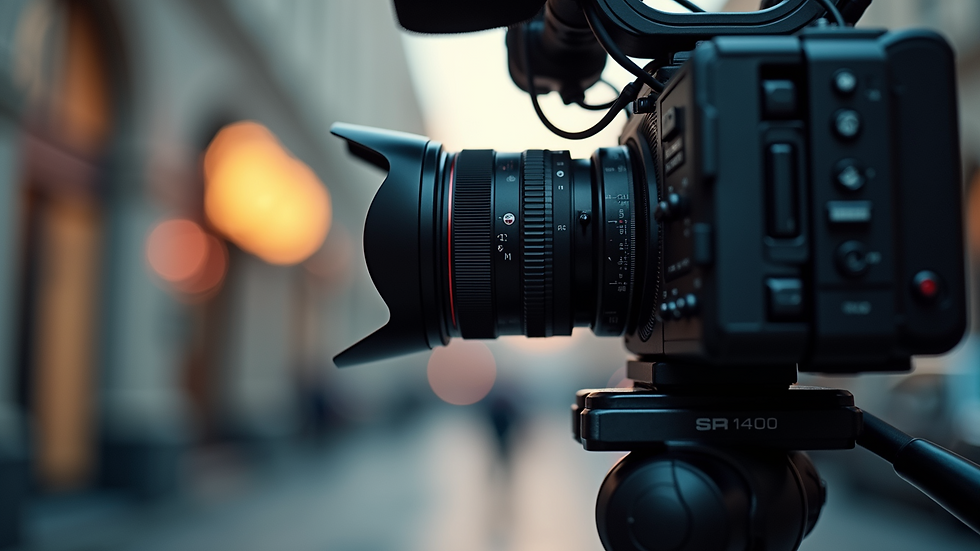
Our crew includes certified cinematographers, drone pilots, and audio engineers who understand the rhythm of storytelling. We shoot with Sony 4K cinematic cameras, professional lighting kits, and high-fidelity sound equipment to create visually rich and emotionally immersive experiences.
The right people and tools make all the difference between a good video and a great one.
Step 6: Scouting and Securing Locations
Location is more than a backdrop—it’s a character in the story.
We visit potential locations to evaluate lighting, sound, and visual appeal. Permits, weather forecasts, and accessibility are all part of our checklist. Whether it’s a luxury venue, a corporate space, or an outdoor set, we ensure the environment enhances the narrative, not distracts from it.
Step 7: Production – Bringing Vision to Life
This is where creativity meets execution.
The production phase is the heartbeat of filmmaking. Our cinematographers capture each scene with intention—balancing composition, movement, and lighting to maintain emotional flow.
We also prioritize sound quality, recording crisp dialogue and ambient detail to elevate realism. Every frame is designed to look cinematic straight out of the camera.
Step 8: Post-Production and Editing
Post-production is where the story truly comes alive.
We edit using DaVinci Resolve, focusing on pacing, tone, and emotional flow. Our colorists apply LUT-based color grading for depth and warmth, while our audio team designs immersive soundscapes.
Each project includes:
Cinematic transitions
Branded logo animations
Sound mixing and enhancement
Emotional score selection
Three rounds of client revisions
This phase ensures your story not only looks professional but feels cinematic.
Step 9: Distribution Strategy
A great video deserves to be seen.
We help clients decide where to publish for maximum reach—YouTube, social media, websites, or corporate events. We format each version to match platform specs (aspect ratios, durations, resolutions) to guarantee visual consistency and performance.
We also assist with SEO optimization for video titles, descriptions, and tags, helping your content rank higher on Google and YouTube.
Step 10: Review and Analyze
Once your video is live, we don’t stop there.
We analyze engagement metrics like:
View duration
Click-through rate
Comments and shares
Conversion performance
These insights allow us to refine strategies for your future productions. Continuous improvement is key to staying ahead in digital storytelling.

Common Mistakes in Video Project Planning
Avoiding these pitfalls can save you time and money:
Skipping pre-production planning
Neglecting sound design
Underestimating post-production time
Lacking clear storytelling direction
Ignoring audience feedback
At Semper Fi Media, we address these challenges before they happen, ensuring a smooth, stress-free production.
Why Work with Semper Fi Media
We’re not just videographers—we’re storytellers.
Our Marine Corps discipline meets cinematic artistry to deliver results that move people. We pride ourselves on precision, communication, and integrity.
We specialize in:
Corporate storytelling videos
Client testimonial films
Weddings and luxury events
Music videos and documentaries
Commercials for brands and nonprofits
Every project receives the same level of care, from concept to color grade.
Conclusion: Turning Vision into Cinematic Reality
Planning is what turns creativity into clarity. A structured video project planning guide ensures that your message connects, your visuals inspire, and your story endures.
At Semper Fi Media, we believe every brand has a story worth telling—and it deserves to be told with cinematic excellence.
Whether you’re launching a campaign, celebrating a milestone, or capturing your legacy, we’re here to bring your vision to life—one frame at a time.
Frequently Asked Questions:
1. What is a video project planning guide?
It’s a step-by-step framework that outlines how to plan, execute, and deliver a successful video production.
2. How long does a typical video production take?
Most projects take 1–4 weeks depending on complexity, including pre-production, filming, and editing.
3. Do I need to write my own script?
No, our team helps develop and refine scripts to align with your message and audience.
4. What’s included in post-production?
Editing, sound design, music, logo animation, and color correction for a cinematic finish.
5. How do I start planning my first video?
Reach out to our team at Semper Fi Media. We’ll help you outline your goals, timeline, and creative direction to make your vision a reality.
Comments